Keep Pests Away With Feverfew Companion Planting
Feverfew Companion Planting: A Natural Way to Keep Pests Away
Feverfew is a perennial herb that has been used for centuries for its medicinal properties. It is also a valuable companion plant for other garden plants, as it can help to repel pests.
Feverfew has a strong, citrusy scent that is unpleasant to many insects. This scent can help to deter pests such as aphids, spider mites, whiteflies, and mosquitoes. In addition, feverfew can also attract beneficial insects, such as ladybugs and lacewings, which help to prey on pests.
There are a number of different ways to use feverfew as a companion plant. You can plant it near your vegetable garden to help protect your crops from pests. You can also plant it near your flowers to help keep them looking their best.
Here are some of the best companion plants for feverfew:
- Roses: Feverfew can help to repel aphids, which are a common pest of roses.
- Tomatoes: Feverfew can help to repel whiteflies, which can damage tomatoes.
- Cucumbers: Feverfew can help to repel cucumber beetles, which can be a major pest of cucumbers.
- Herbs: Feverfew can be planted near other herbs, such as mint and thyme, to help repel pests.
When planting feverfew, it is important to choose a location that gets full sun. Feverfew is also a relatively drought-tolerant plant, so you do not need to water it very often.
Feverfew is a relatively easy plant to care for, and it can provide you with many benefits. By planting feverfew as a companion plant, you can help to keep your garden free of pests and keep your plants healthy.
[MAIN CONTENT]
How Does Feverfew Repel Pests?
The strong, citrusy scent of feverfew is what makes it effective at repelling pests. This scent is produced by the plant's essential oils, which are released when the leaves are crushed or damaged.
The scent of feverfew is unpleasant to many insects because it masks the scent of their food plants. This makes it difficult for the insects to find their food, and it can also deter them from laying eggs on the plants.
In addition to its scent, feverfew also contains other compounds that can be toxic to insects. These compounds include pyrethrins, which are a type of natural insecticide.
Which Pests Does Feverfew Repel?
Feverfew is effective at repelling a wide variety of pests, including:
- Aphids
- Spider mites
- Whiteflies
- Mosquitoes
- Cucumber beetles
- Fleas
- Ticks
How to Use Feverfew as a Companion Plant
There are a few different ways to use feverfew as a companion plant. You can:
- Plant it near your vegetable garden to help protect your crops from pests.
- Plant it near your flowers to help keep them looking their best.
- Add it to your compost pile to help repel pests.
- Make a tea from the leaves and use it to spray your plants.
How to Care for Feverfew
Feverfew is a relatively easy plant to care for. It prefers full sun and well-drained soil. It is also drought-tolerant, so you do not need to water it very often.
Feverfew can be propagated by seed or by division. If you are propagating by seed, sow the seeds in the spring in a well-drained seedbed. If you are propagating by division, divide the plant in the spring or fall.
Conclusion
Feverfew is a valuable companion plant that can help to keep your garden free of pests. It is easy to care for and it is effective against a wide variety of pests. If you are looking for a natural way to control pests in your garden, feverfew is a great option.
Feverfew is a beautiful and versatile herb that has many benefits for both humans and the garden. It is known to repel insects, including mosquitoes, aphids, and ants. It can also help to improve the health of other plants in the garden.
Some good companion plants for feverfew include:
- Roses: Feverfew can help to deter aphids from roses, which can be a major pest.
- Lavender: Lavender and feverfew both have strong scents that can help to repel insects.
- Chives: Chives are another insect-repelling herb that can benefit from the presence of feverfew.
- Thyme: Thyme and feverfew are both culinary herbs that can be used together in cooking.
- Coriander: Coriander has a strong scent that can help to deter pests, and it can also improve the flavor of other vegetables in the garden.
If you are looking for a way to improve the health of your garden and keep pests away, consider planting feverfew. It is a beautiful and easy-to-grow herb that can be a valuable addition to any garden.
For more information about feverfew companion plants, please visit Gardenia Inspiration.
FAQ of feverfew companion plants
Q: What are some good companion plants for feverfew?
A: Feverfew is a relatively easy-going plant that can be paired with a variety of other herbs and flowers. Some good companion plants for feverfew include:
- Mint: Mint is a strong-smelling herb that helps to repel pests, such as mosquitoes and flies. It also helps to improve the drainage of the soil around the feverfew plant.
- Thyme: Thyme is another herb that helps to repel pests. It also has the added benefit of attracting pollinators, such as bees and butterflies.
- Chrysanthemums: Chrysanthemums are a type of daisy that can help to deter rabbits and other pests. They also add a splash of color to the garden.
- Rosemary: Rosemary is a fragrant herb that can help to improve the flavor of the feverfew flowers. It also helps to deter pests, such as aphids.
- Lavender: Lavender is a beautiful herb that has a calming scent. It helps to repel pests and attract pollinators.
Q: What are some benefits of planting feverfew with companion plants?
A: There are a number of benefits to planting feverfew with companion plants. These include:
- Improved pest control: Companion plants can help to repel pests, such as mosquitoes, flies, aphids, and rabbits. This can help to protect your feverfew plants from damage.
- Improved pollination: Companion plants can attract pollinators, such as bees and butterflies. This can help to improve the pollination of your feverfew plants, which can lead to more flowers and seeds.
- Improved drainage: Companion plants that help to improve drainage, such as mint, can help to prevent the roots of your feverfew plants from becoming waterlogged. This can help to prevent root rot and other diseases.
- Enhanced flavor: Companion plants that have a strong flavor, such as rosemary, can help to enhance the flavor of the feverfew flowers. This can make your feverfew tea or other recipes even more delicious.
Q: What are some things to avoid when planting feverfew with companion plants?
A: There are a few things to avoid when planting feverfew with companion plants. These include:
- Planting feverfew with plants that have similar requirements: Feverfew prefers full sun or partial shade and well-drained soil. If you plant it with plants that have different requirements, such as those that prefer full shade or wet soil, it may not thrive.
- Planting feverfew with plants that are susceptible to the same pests or diseases: If you plant feverfew with plants that are susceptible to the same pests or diseases, they may both be affected. For example, planting feverfew with chamomile, which is susceptible to powdery mildew, could increase the risk of your feverfew plants getting powdery mildew.
- Planting feverfew with plants that are aggressive growers: Some plants, such as mint, are aggressive growers and can crowd out other plants. If you plant feverfew with an aggressive grower, it may not be able to get enough sunlight or nutrients.
Q: How far apart should feverfew plants be planted?
A: Feverfew plants should be planted about 18 inches apart. This will give them enough room to grow and spread.
Image of feverfew companion plants
5 different images of "feverfew companion plants" from Pinterest:
- Image 1: Feverfew and roses. This is a classic combination that works well in both herb gardens and cottage gardens. The feverfew's daisy-like flowers add a touch of lightness to the roses' lush foliage.

- Image 2: Feverfew and lavender. These two herbs have similar growing requirements, so they make good companions. The lavender's strong scent helps to deter pests, while the feverfew's daisy-like flowers attract pollinators.

- Image 3: Feverfew and mint. Mint is another herb that deters pests, so it's a good choice for companion planting with feverfew. The mint's strong scent can also help to mask the scent of other plants, which can deter pests from finding them.
- Image 4: Feverfew and chamomile. Chamomile is a calming herb that can be used to make tea. It's also a good companion plant for feverfew, as it helps to attract pollinators.
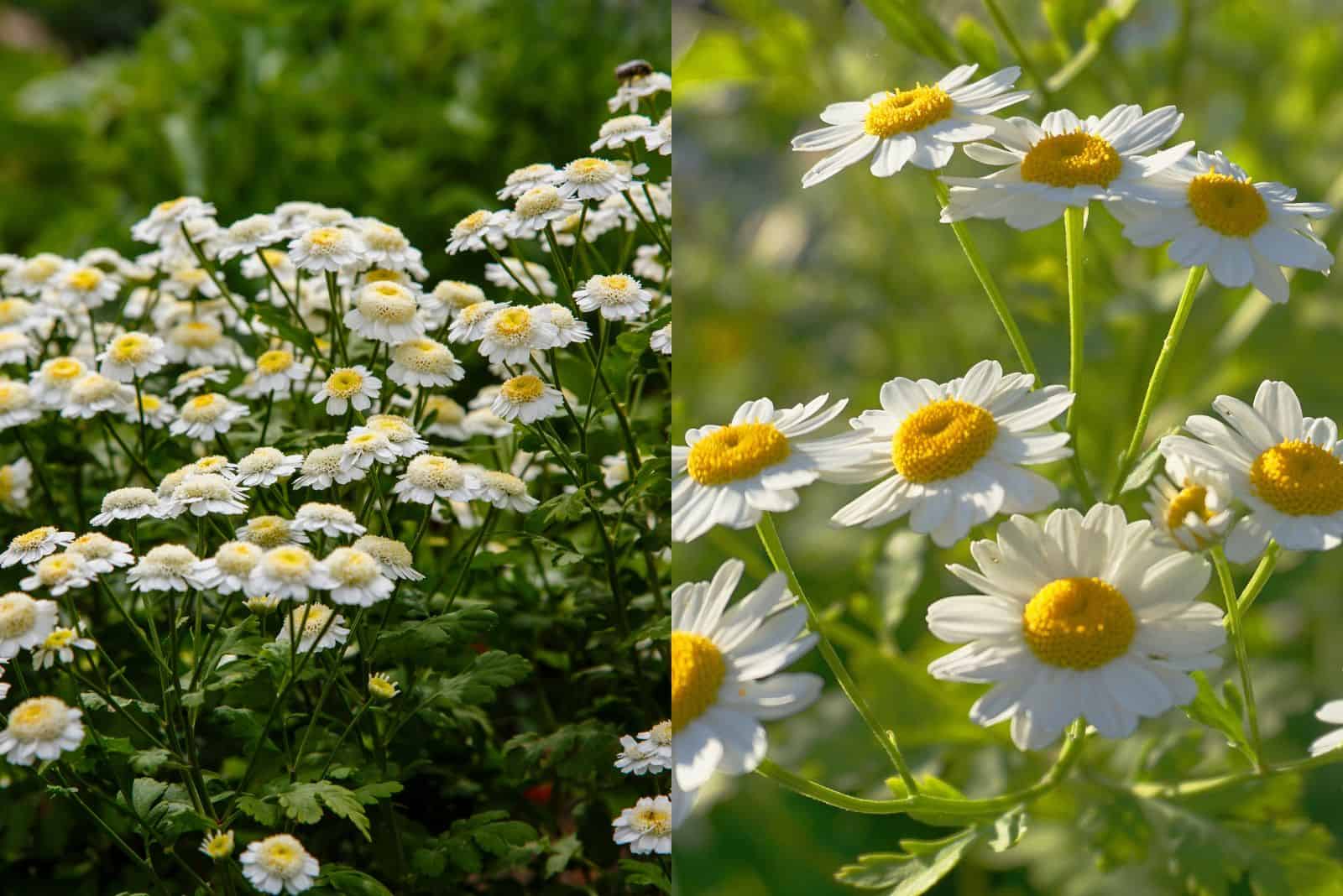
- Image 5: Feverfew and tomatoes. Feverfew can help to deter whiteflies and other pests from tomatoes. It's also a good choice for companion planting with tomatoes because it has similar growing requirements.


Post a Comment for "Keep Pests Away With Feverfew Companion Planting"